
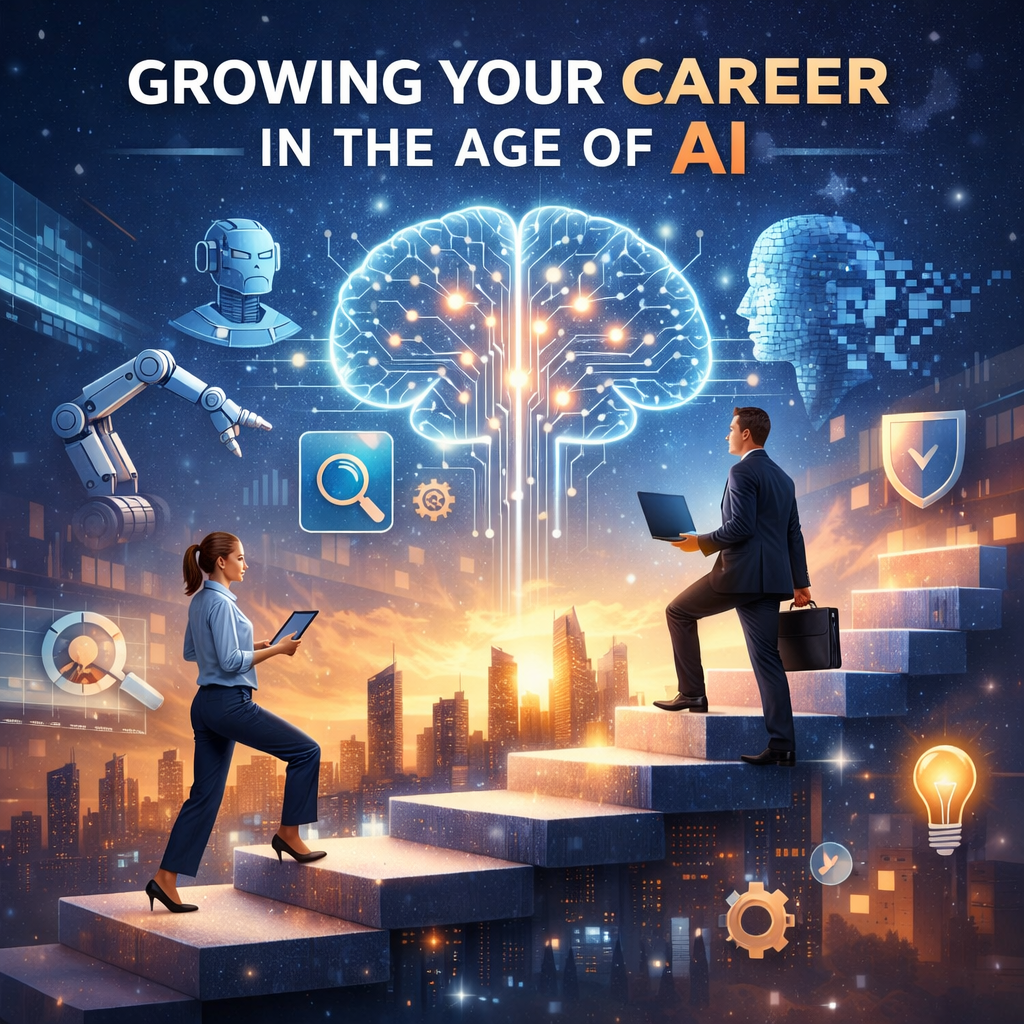
The rise of Artificial Intelligence (AI) is reshaping the global job market at an unprecedented pace. From automation in industries to intelligent decision-making systems, AI is no longer a futuristic concept—it is a present-day reality. While many fear that AI will replace human jobs, the truth is that it is also creating new opportunities and transforming traditional roles. In this evolving landscape, choosing the right career path is crucial for long-term growth and stability.
This blog explores the top 10 job careers in the age of AI, highlighting their importance, required skills, and future potential.
1. AI & Machine Learning Engineer
AI and Machine Learning Engineers are at the forefront of technological innovation. They design algorithms and systems that enable machines to learn from data and make decisions. These professionals work on applications like chatbots, recommendation systems, and self-driving cars.
With businesses increasingly relying on automation and predictive analytics, the demand for AI engineers is growing rapidly. To succeed in this field, one needs strong programming skills (especially Python), knowledge of machine learning frameworks, and a solid understanding of mathematics and statistics.
2. Data Scientist
Data Scientists play a crucial role in analyzing complex data and extracting meaningful insights. Organizations use these insights to make informed business decisions, improve customer experiences, and optimize operations.
This career requires expertise in data analysis tools, programming languages like Python or R, and strong statistical knowledge. As companies continue to generate massive amounts of data, the demand for data scientists will remain high.
3. Cybersecurity Specialist
As digital transformation accelerates, so do cyber threats. Cybersecurity Specialists are responsible for protecting systems, networks, and data from unauthorized access and attacks.
This role is becoming increasingly important as businesses store sensitive information online. Skills required include network security, ethical hacking, and knowledge of cybersecurity tools. With cybercrime on the rise, this career offers excellent job security and growth opportunities.
4. Robotics Engineer
Robotics Engineers design and develop robots that can perform tasks automatically. These robots are widely used in manufacturing, healthcare, logistics, and even household applications.
A strong background in engineering, programming, and electronics is essential for this role. As automation continues to expand across industries, robotics engineering is becoming a highly promising career choice.
5. Data Analyst
Data Analysts focus on interpreting data and presenting it in a way that helps organizations make decisions. Unlike data scientists, analysts typically work with structured data and use tools like Excel, SQL, and Power BI.
This is one of the most accessible entry points into the data field and is highly relevant across industries such as finance, marketing, healthcare, and e-commerce.
6. AI Ethics Specialist
With the growing use of AI, ethical concerns such as bias, privacy, and transparency have become significant. AI Ethics Specialists ensure that AI systems are developed and used responsibly.
This role combines knowledge of technology, law, and ethics. As governments and organizations emphasize responsible AI usage, this career is gaining importance.
7. Cloud Computing Engineer
Cloud Computing Engineers manage cloud infrastructure and services that allow businesses to store and process data online. Platforms like AWS, Microsoft Azure, and Google Cloud are widely used across industries.
Professionals in this field need skills in cloud architecture, networking, and DevOps practices. As more companies shift to cloud-based solutions, this career path continues to grow.
8. Digital Marketing Specialist (AI-Driven)
Digital marketing has evolved significantly with the integration of AI. Marketers now use AI tools for customer targeting, personalization, and performance analysis.
This role requires knowledge of SEO, social media marketing, analytics tools, and AI-driven marketing platforms. With businesses focusing heavily on online presence, digital marketing remains a high-demand career.
9. Prompt Engineer
Prompt Engineering is an emerging career in the AI era. It involves designing effective prompts that help AI systems generate accurate and useful outputs.
This role requires strong communication skills, logical thinking, and an understanding of how AI models work. As AI tools become more widespread, prompt engineering is expected to grow as a specialized field.
10. Healthcare AI Specialist
AI is revolutionizing the healthcare industry by improving diagnostics, treatment planning, and patient care. Healthcare AI Specialists work at the intersection of medicine and technology.
They use AI tools to analyze medical data, assist in diagnosis, and develop healthcare solutions. This field requires knowledge of both healthcare systems and data analytics.
The Future of Careers in the AI Era
The future job market will be defined by collaboration between humans and machines. While AI will handle repetitive and data-driven tasks, humans will focus on creativity, critical thinking, and emotional intelligence.
To succeed in this environment, individuals must be willing to continuously learn and adapt. Upskilling in areas like data analysis, programming, and digital tools will be essential. At the same time, soft skills such as communication, teamwork, and problem-solving will remain equally important.
Conclusion
The age of AI is not about job loss—it is about job transformation. The careers listed above represent some of the most promising opportunities in the modern world. Whether you are a student, a fresher, or a working professional, choosing a career aligned with AI trends can provide long-term growth and stability.
The key to success lies in staying updated, being adaptable, and embracing technology rather than fearing it. By developing the right skills and mindset, you can build a successful and future-proof career in the age of AI.
The rise of Artificial Intelligence (AI) is reshaping the global job market at an unprecedented pace. From automation in industries to intelligent decision-making systems, AI is no longer a futuristic concept—it is a present-day reality. While many fear that AI will replace human jobs, the truth is that it is also creating new opportunities and transforming traditional roles. In this evolving landscape, choosing the right career path is crucial for long-term growth and stability.
This blog explores the top 10 job careers in the age of AI, highlighting their importance, required skills, and future potential.
1. AI & Machine Learning Engineer
AI and Machine Learning Engineers are at the forefront of technological innovation. They design algorithms and systems that enable machines to learn from data and make decisions. These professionals work on applications like chatbots, recommendation systems, and self-driving cars.
With businesses increasingly relying on automation and predictive analytics, the demand for AI engineers is growing rapidly. To succeed in this field, one needs strong programming skills (especially Python), knowledge of machine learning frameworks, and a solid understanding of mathematics and statistics.
2. Data Scientist
Data Scientists play a crucial role in analyzing complex data and extracting meaningful insights. Organizations use these insights to make informed business decisions, improve customer experiences, and optimize operations.
This career requires expertise in data analysis tools, programming languages like Python or R, and strong statistical knowledge. As companies continue to generate massive amounts of data, the demand for data scientists will remain high.
3. Cybersecurity Specialist
As digital transformation accelerates, so do cyber threats. Cybersecurity Specialists are responsible for protecting systems, networks, and data from unauthorized access and attacks.
This role is becoming increasingly important as businesses store sensitive information online. Skills required include network security, ethical hacking, and knowledge of cybersecurity tools. With cybercrime on the rise, this career offers excellent job security and growth opportunities.
4. Robotics Engineer
Robotics Engineers design and develop robots that can perform tasks automatically. These robots are widely used in manufacturing, healthcare, logistics, and even household applications.
A strong background in engineering, programming, and electronics is essential for this role. As automation continues to expand across industries, robotics engineering is becoming a highly promising career choice.
5. Data Analyst
Data Analysts focus on interpreting data and presenting it in a way that helps organizations make decisions. Unlike data scientists, analysts typically work with structured data and use tools like Excel, SQL, and Power BI.
This is one of the most accessible entry points into the data field and is highly relevant across industries such as finance, marketing, healthcare, and e-commerce.
6. AI Ethics Specialist
With the growing use of AI, ethical concerns such as bias, privacy, and transparency have become significant. AI Ethics Specialists ensure that AI systems are developed and used responsibly.
This role combines knowledge of technology, law, and ethics. As governments and organizations emphasize responsible AI usage, this career is gaining importance.
7. Cloud Computing Engineer
Cloud Computing Engineers manage cloud infrastructure and services that allow businesses to store and process data online. Platforms like AWS, Microsoft Azure, and Google Cloud are widely used across industries.
Professionals in this field need skills in cloud architecture, networking, and DevOps practices. As more companies shift to cloud-based solutions, this career path continues to grow.
8. Digital Marketing Specialist (AI-Driven)
Digital marketing has evolved significantly with the integration of AI. Marketers now use AI tools for customer targeting, personalization, and performance analysis.
This role requires knowledge of SEO, social media marketing, analytics tools, and AI-driven marketing platforms. With businesses focusing heavily on online presence, digital marketing remains a high-demand career.
9. Prompt Engineer
Prompt Engineering is an emerging career in the AI era. It involves designing effective prompts that help AI systems generate accurate and useful outputs.
This role requires strong communication skills, logical thinking, and an understanding of how AI models work. As AI tools become more widespread, prompt engineering is expected to grow as a specialized field.
10. Healthcare AI Specialist
AI is revolutionizing the healthcare industry by improving diagnostics, treatment planning, and patient care. Healthcare AI Specialists work at the intersection of medicine and technology.
They use AI tools to analyze medical data, assist in diagnosis, and develop healthcare solutions. This field requires knowledge of both healthcare systems and data analytics.
The Future of Careers in the AI Era
The future job market will be defined by collaboration between humans and machines. While AI will handle repetitive and data-driven tasks, humans will focus on creativity, critical thinking, and emotional intelligence.
To succeed in this environment, individuals must be willing to continuously learn and adapt. Upskilling in areas like data analysis, programming, and digital tools will be essential. At the same time, soft skills such as communication, teamwork, and problem-solving will remain equally important.
Conclusion
The age of AI is not about job loss—it is about job transformation. The careers listed above represent some of the most promising opportunities in the modern world. Whether you are a student, a fresher, or a working professional, choosing a career aligned with AI trends can provide long-term growth and stability.
The key to success lies in staying updated, being adaptable, and embracing technology rather than fearing it. By developing the right skills and mindset, you can build a successful and future-proof career in the age of AI.